













د PLC پوهه راؤنڈ اپ: د بریښنایی انجینرانو لپاره لازمي لوستل!
د PLC پوهه راؤنڈ اپ: د بریښنایی انجینرانو لپاره لازمي لوستل!
I. د PLC تعریف او طبقه بندي
PLC، یا د پروګرام وړ منطق کنټرولر، د نړیوال صنعتي کنټرول وسایلو نوی نسل دی. دا د مایکرو پروسیسرونو پراساس دی او د کمپیوټر ټیکنالوژي ، د اتوماتیک کنټرول ټیکنالوژي ، او مخابراتو ټیکنالوژي مدغم کوي. د صنعتي چاپیریال لپاره ډیزاین شوي، PLCs د کنټرول پروسو او کاروونکو ته د "طبیعي ژبې" په کارولو سره د پوهیدو اسانه پروګرامونه وړاندې کوي. دوی د سادگي، د عملیاتو اسانتیا، او لوړ اعتبار لخوا مشخص شوي.
د ریلي ترتیبي کنټرول څخه رامینځته شوي ، PLCs د مایکرو پروسیسرونو په شاوخوا کې متمرکز دي او د هر اړخیز اتومات کنټرول وسیلو په توګه کار کوي. راځئ چې مشخصاتو ته پام وکړو:
1. تعریف
PLC یو ډیجیټل بریښنایی سیسټم دی چې د صنعتي غوښتنلیکونو لپاره ډیزاین شوی. دا د برنامو وړ حافظه کاروي ترڅو د عملیاتو لپاره لارښوونې ذخیره کړي لکه منطقي محاسبه ، ترتیب کنټرول ، وخت ، شمیرنه ، او ریاضي. د ډیجیټل او انلاګ ان پټونو او محصولاتو سره د مداخلې په واسطه، PLC مختلف میخانیکي تجهیزات او د تولید پروسې کنټرولوي. دواړه PLCs او د دوی پردی وسایل ډیزاین شوي ترڅو د صنعتي کنټرول سیسټمونو سره په بې ساري ډول مدغم شي او د فعالیت پراختیا اسانه کړي.
2. طبقه بندي
د PLC محصولات د مختلف مشخصاتو او فعالیت وړتیاو سره په پراخه ډول کې راځي. دوی په پراخه توګه د ساختماني بڼې، فعال توپیرونو، او د I/O نقطو شمیرې پر بنسټ طبقه بندي شوي.
2.1 د ساختماني بڼې له مخې طبقه بندي
PLCs د دوی د ساختماني بڼې پر بنسټ په بشپړ او ماډلر ډولونو ویشل کیدی شي.
(1) Integral PLC
Integral PLCs د کور اجزا لکه د بریښنا رسولو، CPU، او I/O انٹرفیسونه په یوه کابینه کې دننه کوي. دوی د خپل کمپیکٹ جوړښت، کوچنۍ اندازې، او وړتیا لپاره پیژندل شوي. کوچنۍ اندازه PLCs معمولا دا بشپړ جوړښت غوره کوي. یو بشپړ PLC یو بنسټیز واحد لري (د اصلي واحد په نوم هم پیژندل کیږي) د مختلف I/O پوائنټونو او د پراختیا واحد سره. بنسټیز واحد د CPU، I/O انټرفیسونه، د I/O توسیع واحدونو سره د نښلولو لپاره د توسعې بندر، او د پروګرامر یا EPROM لیکوال سره د نښلولو لپاره انٹرفیسونه لري. له بلې خوا د توسعې واحد یوازې د CPU پرته I/O او د بریښنا رسولو برخې لري. بنسټیز واحد او د توسعې واحد معمولا د فلیټ کیبل له لارې وصل کیږي. انټیګرل PLCs هم کولی شي د ځانګړي فعالیت واحدونو سره مجهز شي ، لکه د انلاګ واحدونو او موقعیت کنټرول واحدونو سره ، د دوی وړتیاوې پراخه کړي.
(2) ماډلر PLC
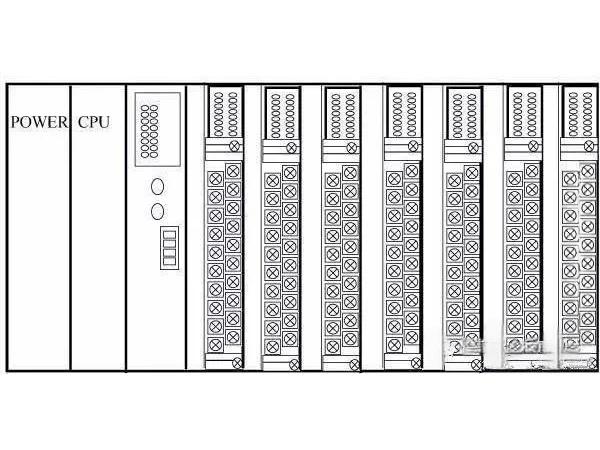
ماډلر PLCs د هرې برخې لپاره جلا ماډلونه وړاندې کوي، لکه د CPU ماډلونه، I/O ماډلونه، د بریښنا رسولو ماډلونه (کله ناکله د CPU ماډل کې یوځای شوي)، او مختلف فعالیت ماډلونه. دا ماډلونه په چوکاټ یا شاتړ کې نصب شوي. د ماډلر PLCs ګټه د دوی په انعطاف وړ ترتیب کې ده، د اړتیا سره سم د مختلف سیسټم پیمانونو انتخاب ته اجازه ورکوي. دوی د راټولولو، پراخولو او ساتلو لپاره هم اسانه دي. د منځنۍ او لویې اندازې PLCs عموما یو ماډلر جوړښت غوره کوي.
برسیره پردې، ځینې PLCs د دواړه بشپړ او ماډلر ډولونو ځانګړتیاوې سره یوځای کوي، هغه څه جوړوي چې د سټیک شوي PLC په نوم پیژندل کیږي. په سټک شوي PLCs کې، اجزاوې لکه CPU، د بریښنا رسولو، او I/O انټرفیسونه خپلواک ماډلونه دي چې د کیبلونو له لارې نښلول کیږي او کیدای شي د پرت په واسطه په پرت کې ذخیره شي. دا ډیزاین نه یوازې د انعطاف وړ سیسټم ترتیب وړاندیز کوي بلکه د کمپیکٹ اندازې لپاره هم اجازه ورکوي.
2.2 د فعالیت له مخې طبقه بندي
د دوی د فعالیت وړتیاو پراساس، PLCs په دریو کټګوریو ویشل کیدی شي: ټیټ پای، منځنی حد، او لوړ پای.
(1) ټیټ پای PLC
د ټیټ پای PLCs بنسټیز فعالیتونه لري لکه منطقي عملیات، وخت، شمیرل، لیږدول، ځان تشخیص، او نظارت. په دوی کې ممکن د انلاګ ان پټ/آؤټ پوټ محدود مقدار، ریاضي عملیات، د معلوماتو لیږد او پرتله کول، او د اړیکو فعالیتونه شامل وي. دا PLCs په عمده ډول د واحد ماشین کنټرول سیسټمونو لپاره کارول کیږي چې منطقي کنټرول، ترتیبي کنټرول، یا د انلاګ کنټرول لږ مقدار پکې شامل وي.
(2) د منځنۍ کچې PLC
د ټیټ پای PLCs د دندو سربیره، د منځنۍ کچې PLCs د انلاګ ان پټ/آؤټ پټ، ریاضي عملیات، د معلوماتو لیږد او پرتله کولو، د شمیر سیسټم تبادله، ریموټ I/O، فرعي روټینونو، او ارتباطي شبکې کې قوي وړتیاوې وړاندې کوي. ځینې ممکن د مداخلې کنټرول او د PID کنټرول افعال هم وړاندې کړي، دوی د پیچلي کنټرول سیسټمونو لپاره مناسب کوي.
(3) لوړ پای PLC
د لوړ پای PLCs، د منځنۍ کچې PLCs وړتیاوو سربیره، پرمختللي دندې لکه لاسلیک شوي ریاضي عملیات، د میټرکس محاسبې، د بټ منطق عملیات، د مربع ریټ حسابونه، او نور ځانګړي فعالیت عملیات شامل دي. دوی د میز جوړولو او د میز لیږد وړتیا هم لري. لوړ پای PLCs د مخابراتو او شبکې فعالیت ته وده ورکوي ، د لوی کچې پروسې کنټرول وړ کوي یا د توزیع شوي شبکې کنټرول سیسټمونو رامینځته کول ، پدې توګه د فابریکې اتومات ترلاسه کوي.
2.3 د I/O پوائنټونو له مخې طبقه بندي
د I/O پوائنټونو په شمیر پورې اړه لري، PLCs په کوچنیو، منځنیو او لویو کټګوریو ویشل کیدی شي.
(1) کوچنی PLC
کوچني PLCs له 256 څخه لږ I/O پوائنټونه لري، یو واحد CPU لري، او 8-bit یا 16-bit پروسیسرونه کاروي. د دوی د کارونکي حافظې ظرفیت معمولا د 4KB څخه کم دی.
(2) منځنۍ PLC
متوسط PLCs د 256 او 2048 I/O پوائنټونه لري، دوه ګونی CPUs ګماري، او د کاروونکي حافظې ظرفیت له 2KB څخه تر 8KB پورې لري.
(3) لوی PLC
لوی PLCs په 2048 I/O پوائنټونو ویاړي، ډیری CPUs کاروي، او د 16-bit یا 32-bit پروسیسرونو سره مجهز دي. د دوی د کارونکي حافظې ظرفیت له 8KB څخه تر 16KB پورې دی.
په ټوله نړۍ کې، د PLC محصولات په دریو لویو سیمه ایزو ډولونو ویشل کیدی شي: امریکایي، اروپایي، او جاپاني. امریکایی او اروپایی PLC ټیکنالوژی په خپلواکه توګه رامینځته شوی، د دوی د محصولاتو ترمنځ د توپیرونو په پایله کې. د جاپاني PLC ټیکنالوژي، د متحده ایالاتو څخه معرفي شوې، د امریکایي PLCs څخه ځینې ځانګړتیاوې په میراث کې دي مګر په کوچنیو اندازو PLC تمرکز کوي. پداسې حال کې چې امریکایی او اروپایی PLCs د دوی د متوسط او لوی اندازې وړاندیزونو لپاره مشهور دي ، جاپاني PLCs د دوی د کوچني اندازې همکارانو لپاره مشهور دي.
II. د PLCs دندې او د غوښتنلیک ساحې
PLCs د ریل کنټیکټر کنټرول ګټې او د کمپیوټر انعطاف پذیري سره یوځای کوي. دا ځانګړی ډیزاین 赋予了PLC د نورو کنټرولرانو په پرتله ډیری بې ساري ځانګړتیاوې لري.
1. د PLC دندې
د نړیوال صنعتي اتوماتیک کنټرول وسیلې په توګه چې د مایکرو پروسیسرونو په شاوخوا کې موقعیت لري او د کمپیوټر ټیکنالوژۍ ، اتوماتیک کنټرول ټیکنالوژۍ ، او مخابراتو ټیکنالوژۍ ادغام کوي ، PLCs ډیری ګټې وړاندې کوي. پدې کې لوړ اعتبار، کمپیکٹ اندازه، قوي فعالیت، ساده او انعطاف منونکي پروګرام ډیزاین، استقامت، او اسانه ساتنه شامل دي. په پایله کې، PLCs د فلزاتو، انرژۍ، کیمیاوي موادو، ترانسپورت، او د بریښنا تولید په برخو کې پراخ غوښتنلیکونه موندلي، چې د عصري صنعتي کنټرول له دریو ستنو څخه یو په توګه راڅرګندیږي (د روبوټ او CAD/CAM ترڅنګ). د PLC د ځانګړتیاوو پر بنسټ، د دوی فعاله بڼې په لاندې ډول لنډیز کیدی شي:
(1) د منطق کنټرول بدلول
PLCs د قوي منطقي محاسبې وړتیاوې لري، دوی ته وړتیا ورکوي چې مختلف ساده او پیچلي منطقي کنټرولونه ترلاسه کړي. دا د PLCs خورا بنسټیز او په پراخه کچه پلي شوی ډومین دی ، د دودیز ریل کنټیکټر کنټرول ځای په ځای کوي.
(2) انلاګ کنټرول
پی ایلCs د A/D او D/A تبادلې ماډلونو سره مجهز دي. د A/D ماډل د ساحې څخه انلاګ مقدارونه بدلوي — لکه د تودوخې، فشار، جریان او سرعت — په ډیجیټل مقدارونو کې. دا ډیجیټل مقدارونه بیا د مایکرو پروسیسر لخوا په PLC کې پروسس کیږي (ځکه چې مایکرو پروسیسر یوازې ډیجیټل مقدارونه اداره کولی شي) او وروسته د کنټرول لپاره کارول کیږي. په بدیل سره، د D/A ماډل ډیجیټل مقدارونه بیرته انالوګ مقدارونو ته بدلوي ترڅو کنټرول شوي څیز کنټرول کړي، په دې توګه PLCs توانوي چې د انلاګ مقدارونو کنټرول پلي کړي.
(3) د پروسې کنټرول
عصري منځنۍ او لویې کچې PLCs معمولا د PID کنټرول ماډلونه وړاندې کوي، د تړل شوي لوپ پروسې کنټرول فعالوي. کله چې یو متغیر د کنټرول پروسې په جریان کې انحراف کوي، PLC د PID الګوریتم په کارولو سره سم محصول محاسبه کوي، په دې توګه د تولید پروسه تنظیموي او په ټاکل شوي ځای کې متغیر ساتي. اوس مهال، ډیری کوچنۍ اندازه PLCs د PID کنټرول فعالیت هم شاملوي.
(4) د وخت او شمېرنې کنټرول
PLCs د قوي وخت او شمیرنې وړتیاوې لري، د لسګونو، سلګونو، یا حتی زرګونو ټایمرونو او شمیرونکو چمتو کولو توان لري. د وخت موده او د شمیرلو ارزښتونه د کارونکي لخوا په خپله خوښه تنظیم کیدی شي کله چې د کارونکي برنامه لیکل کیږي ، یا د سایټ د آپریټرانو لخوا د برنامې له لارې. دا د وخت او شمیرنې کنټرول وړوي. که کاروونکي د لوړې فریکونسۍ سیګنالونو شمیرلو ته اړتیا ولري ، دوی کولی شي د لوړ سرعت شمیرنې ماډلونه غوره کړي.
(۵) ترتیبي کنټرول
په صنعتي کنټرول کې، ترتیبي کنټرول د PLC ګام لارښوونو یا شفټ راجستر پروګرامونو له لارې ترلاسه کیدی شي.
(6) د معلوماتو پروسس کول
عصري PLCs نه یوازې د ریاضیاتي عملیاتو، د معلوماتو لیږد، ترتیب کولو، او د میز کتلو وړتیا لري بلکې کولی شي د ډیټا پرتله کول، د معلوماتو تبادله، د معلوماتو اړیکه، د معلوماتو ښودل، او چاپ هم ترسره کړي. دوی د ډیټا پروسس کولو قوي وړتیاوې لري.
(۷) مخابرات او شبکه کول
ډیری عصري PLCs د مخابراتو او شبکې ټیکنالوژي شاملوي، د ریموټ I/O کنټرول لپاره RS-232 یا RS-485 انٹرفیسونه وړاندې کوي. ډیری PLCs شبکه کیدی شي او د یو بل سره اړیکه ونیسي. د بهرنیو وسیلو سیګنال پروسس کولو واحدونه کولی شي برنامې او ډیټا د یو یا ډیرو برنامه وړ کنټرولرانو سره تبادله کړي. د پروګرام لیږد، د ډیټا فایل لیږد، څارنه، او تشخیص د ارتباطي انٹرفیسونو یا ارتباطي پروسیسرونو له لارې ترلاسه کیدی شي، کوم چې د پروګرام او ډیټا لیږد اسانه کولو لپاره د معیاري هارډویر انٹرفیس یا ملکیت مخابراتي پروتوکولونه کاروي.
2. د PLC د غوښتنلیک ساحې
اوس مهال، PLCs په پراخه کچه په کورني او نړیواله کچه په مختلفو صنعتونو کې کار کوي، پشمول د اوسپنې او فولادو، پټرولیم، کیمیاوي موادو، بریښنا، ساختماني موادو، میخانیکي تولید، موټرو، سپکو ټوکرونو، ترانسپورت، چاپیریال ساتنه، او کلتوري تفریح. د دوی غوښتنلیکونه په پراخه کچه په لاندې ډول ویشل کیدی شي:
(1) د منطق کنټرول بدلول
دا د PLCs خورا بنسټیز او په پراخه کچه پلي شوی ډومین دی ، د منطقي او ترتیبي کنټرول ترلاسه کولو لپاره د دودیز ریل سرکټونو ځای په ځای کول. PLCs د واحد ماشین کنټرول او همدارنګه د څو ماشین ګروپ کنټرول او اتومات تولید لینونو لپاره کارول کیدی شي ، لکه د انجیکشن مولډینګ ماشینونه ، د چاپ ماشینونه ، سټیپینګ ماشینونه ، د ترکیب ماشین وسیلې ، د پیس کولو ماشینونه ، د بسته بندۍ تولید لاینونه ، او د بریښنایی اسمبلۍ لاینونه.
(2) انلاګ کنټرول
د صنعتي تولید پروسو کې، ډیری دوامداره مختلف مقدارونه - لکه د تودوخې، فشار، جریان، د مایع کچه، او سرعت - د انالوګ مقدارونه دي. د انلاګ مقدارونو اداره کولو لپاره PLCs وړولو لپاره ، د انلاګ او ډیجیټل مقدارونو ترمینځ د A/D او D/A تبادلې باید احساس شي. د PLC جوړونکي د PLCs لپاره د انلاګ کنټرول غوښتنلیکونو اسانه کولو لپاره د A/D او D/A تبادلې ماډلونه تولیدوي.
(3) د حرکت کنټرول
PLCد روټري یا خطي حرکت کنټرول لپاره کارول کیدی شي. د کنټرول سیسټم ترتیب کولو شرایطو کې، ابتدايي غوښتنلیکونه په مستقیم ډول د موقعیت سینسر او عمل کونکي سره نښلوي ترڅو I/O ماډلونه بدل کړي. نن ورځ ، د حرکت کنټرول ځانګړي ماډلونه عموما په کار ګمارل کیږي. دا ماډلونه کولی شي د سټیپر موټرو یا سروو موټرو لپاره د واحد محور یا څو محور موقعیت کنټرول چلوي. په ټوله نړۍ کې د PLC ټول لوی تولیدونکي محصولات د حرکت کنټرول وړتیاوې لري، کوم چې په پراخه توګه په مختلفو ماشینونو، ماشین آلاتو، روبوټونو، لفټونو، او نورو غوښتنلیکونو کې کارول کیږي.
(4) د پروسې کنټرول
د پروسې کنټرول د انلاګ مقدارونو تړل شوي لوپ کنټرول ته اشاره کوي لکه د تودوخې ، فشار او جریان. دا د فلزاتو ، کیمیاوي انجینرۍ ، تودوخې درملنې ، او بویلر کنټرول په برخو کې پراخه غوښتنلیکونه لري. د صنعتي کنټرول کمپیوټرونو په توګه، PLCs د تړل شوي لوپ کنټرول بشپړولو لپاره د مختلف کنټرول الګوریتمونو سره پروګرام کیدی شي. د PID کنټرول د تړل شوي لوپ کنټرول سیسټمونو کې د معمول کارول شوي مقرراتو میتود دی. دواړه متوسط او لوی PLCs د PID ماډلونو سره مجهز دي، او اوس مهال، ډیری کوچنۍ اندازې PLCs هم دا فعال ماډل لري. د PID پروسس کول عموما د وقف شوي PID سبروټین چلول شامل دي.
(5) د معلوماتو پروسس کول
عصري PLCs د ریاضیاتي عملیاتو سره سمبال دي (د میټریکس محاسبه، فنکشن محاسبه، منطقي عملیات)، د معلوماتو لیږد، د معلوماتو تبادله، ترتیب کول، د میز لید، او د بټ مینیپولیشن افعال. دوی کولی شي د معلوماتو استملاک، تحلیل، او پروسس ترسره کړي. دا ډاټا د حوالې ارزښتونو سره پرتله کیدی شي چې په حافظه کې زیرمه شوي ترڅو ځانګړي کنټرول عملیات ترسره کړي یا د مخابراتو دندو له لارې نورو هوښیار وسیلو ته لیږدول شي. دوی هم چاپ او جدول کیدی شي. د ډیټا پروسس کول معمولا د لوی پیمانه کنټرول سیسټمونو کې کارول کیږي ، لکه د بې پیلوټه انعطاف وړ تولید سیسټمونو کې ، او د پروسې کنټرول سیسټمونو کې ، لکه د کاغذ جوړولو ، فلزاتو او خواړو صنعت کې.
(۶) مخابرات او شبکه کول
د PLC ارتباط د PLCs او د PLCs او نورو ذہین وسیلو ترمینځ اړیکه شامله ده. د کمپیوټر کنټرول په پراختیا سره، د فابریکې اتومات شبکې په چټکۍ سره پرمختللې دي. د PLC ټول جوړونکي د PLCs مخابراتي وړتیاوو باندې ډیر ټینګار کوي او د دوی اړوند شبکې سیسټمونه یې معرفي کړي. پدې وروستیو کې تولید شوي PLCs د مخابراتو انٹرفیسونو سره مجهز دي ، چې اړیکه خورا اسانه کوي.
III. د PLC بنسټیز جوړښت او کاري اصول
د صنعتي کنټرول کمپیوټر په توګه، PLCs د عادي کمپیوټرونو سره په جوړښت کې ورته والی شریکوي. په هرصورت، توپیرونه د کارونې مختلف سناریوګانو او اهدافو له امله رامینځته کیږي.
1. د PLCs هارډویر اجزا
د PLC کوربه بنسټیز جوړښت ډیاګرام په لاندې شکل کې ښودل شوی: [انځور]
په ډیاګرام کې، د PLC کوربه د CPU، حافظې (EPROM، RAM)، د ننوتلو/آؤټ پټ واحدونو، پردیو I/O انټرفیس، د اړیکو انٹرفیس، او د بریښنا رسولو څخه جوړه ده. د بشپړ PLCs لپاره، دا ټولې برخې په ورته کابینې کې ځای پرځای شوي. په ماډلر PLCs کې، هره برخه په خپلواک ډول د ماډل په توګه بسته شوې، او ماډلونه د ریک او کیبلونو له لارې وصل شوي. په کوربه کې ټولې برخې د بریښنا بسونو، کنټرول بسونو، پته بسونو، او ډیټا بسونو له لارې سره تړلې دي. د حقیقي کنټرول اعتراض اړتیاو پورې اړه لري، مختلف بهرني وسایل ترتیب شوي ترڅو د مختلف PLC کنټرول سیسټمونه جوړ کړي.
په عامو بهرنیو وسایلو کې پروګرامونکي، پرنټرونه، او د EPROM لیکوالان شامل دي. PLCs د مخابراتو ماډلونو سره هم سمبال کیدی شي ترڅو د لوړې کچې ماشینونو او نورو PLCs سره اړیکه ونیسي ، پدې توګه د PLCs لپاره د توزیع شوي کنټرول سیسټم رامینځته کوي.
لاندې د PLC هرې برخې او د هغې رول ته پیژندنه ده، ترڅو کاروونکو سره د PLCs د کنټرول اصولو او کاري پروسو په ښه پوهیدو کې مرسته وکړي.
(1) CPU
CPU د PLC کنټرول مرکز دی. د CPU تر کنټرول لاندې، PLC همغږي کوي او په منظمه توګه کار کوي ترڅو د ساحې مختلف تجهیزاتو کنټرول ترلاسه کړي. د مایکرو پروسیسر او کنټرولر څخه جوړ شوی، CPU کولی شي منطقي او ریاضياتي عملیات ترسره کړي او د کنټرول سیسټم د مختلفو داخلي برخو کار همغږي کړي. کنټرولر د مایکرو پروسیسر ټولو برخو منظم عملیات اداره کوي. د دې اصلي دنده د حافظې څخه لارښوونې لوستل او اجرا کول دي.
(۲) حافظه
PLCs په دوه ډوله حافظه سمبال دي: د سیسټم حافظه او د کارونکي حافظه. د سیسټم حافظه د سیسټم مدیریت برنامې ذخیره کوي ، کوم چې کارونکي نشي کولی لاسرسی یا ترمیم کړي. د کارونکي حافظه د غوښتنلیک پروګرامونه او د کار ډیټا ریاستونه راټولوي. د کارونکي حافظې برخه چې د کار ډیټا ریاستونه ذخیره کوي د ډیټا ذخیره کولو ساحې په نوم هم پیژندل کیږي. پدې کې د انپټ/آؤټ پټ ډیټا عکس ساحې شاملې دي ، د ټایمر / کاونټرونو لپاره د مخکینۍ او اوسني ارزښت ډیټا ساحې ، او د مینځنۍ پایلو ذخیره کولو لپاره بفر زونونه شامل دي.
د PLC حافظه په عمده ډول لاندې ډولونه لري:
یوازې د لوستلو حافظه (ROM)
د پروګرام وړ یوازې لوستلو حافظه (PROM)
د پاکولو وړ پروګرام وړ یوازې لوستلو حافظه (EPROM)
په بریښنایی توګه د پاکولو وړ برنامه وړ یوازې لوستلو حافظه (EEPROM)
د تصادفي لاسرسي حافظه (RAM)
(3) ان پټ/آؤټ پټ (I/O) ماډلونه
① د ان پټ ماډل بدلول
د ان پټ وسایلو بدلولو کې مختلف سویچونه، بټنونه، سینسرونه او نور شامل دي. د PLC ان پټ ډولونه کیدای شي DC، AC، یا دواړه وي. د ان پټ سرکټ لپاره د بریښنا رسول په بهر کې چمتو کیدی شي، یا په ځینو مواردو کې، د PLC لخوا په داخلي توګه چمتو کیږي.
② د تولید ماډل بدلول
د محصول ماډل د CPU لخوا د TTL کچې کنټرول سیګنال محصول بدلوي کله چې د کارونکي برنامه د تولید سایټ کې د ځانګړي تجهیزاتو چلولو لپاره اړین سیګنالونو ته اجرا کوي ، په دې توګه د اجرا کولو میکانیزم فعالوي.
(۴) پروګرامر
پروګرامر د PLCs لپاره یو اړین بهرنۍ وسیله ده. دا کاروونکو ته اجازه ورکوي چې پروګرامونه د PLC د کاروونکي پروګرام حافظې کې داخل کړي، د ډیبګ پروګرامونه، او د پروګرام اجرا کولو څارنه وکړي. د پروګرام له مخې، پروګرام کونکي په دریو ډولونو ویشل کیدی شي:
لاسي پروګرامر
ګرافیکي پروګرامر
د کمپیوټر عمومي پروګرامر
(5) د بریښنا رسول
د بریښنا رسولو واحد بهرنۍ بریښنا (د مثال په توګه، 220V AC) په داخلي کاري ولتاژ بدلوي. په بهر کې وصل شوي بریښنا رسول د PLC داخلي سرکیټونو (د مثال په توګه، DC 5V، ±12V، 24V) د PLC دننه د وقف شوي سویچ موډ ولتاژ تنظیم کونکي له لارې اړین کاري ولتاژ ته بدلیږي. دا د بهرني ان پټ وسیلو لپاره د 24V DC بریښنا رسول هم چمتو کوي (د مثال په توګه ، د نږدې سویچونو) (یوازې د ان پټ پوائنټونو لپاره). د PLC بارونو چلولو لپاره د بریښنا رسولو لخوا چمتو کیږي ...
(6) پرفیریل انٹرفیسونه
د پریفیرال انٹرفیس سرکټونه د لاسي پروګرام کونکي یا نور ګرافیکي پروګرامونکي سره نښلوي، متن ښکاره کوي، او کولی شي د پریفیرال انٹرفیس له لارې د PLC کنټرول شبکه جوړه کړي. PLCs کولی شي د RS-485 انٹرفیس له لارې د PC/PPI کیبل یا MPI کارت په کارولو سره کمپیوټرونو سره وصل شي، د پروګرام کولو، نظارت، شبکې، او نورو دندو وړ کول.
2. د PLCs سافټویر اجزا
د PLC سافټویر د سیسټم پروګرامونه او د کاروونکي پروګرامونه لري. د سیسټم پروګرامونه د PLC جوړونکو لخوا ډیزاین او لیکل شوي او د PLC سیسټم حافظه کې زیرمه شوي. کاروونکي نشي کولی په مستقیم ډول لوستل، لیکل، یا ترمیم کړي. د سیسټم پروګرامونه عموما د سیسټم تشخیص پروګرامونه، د ان پټ پروسس کولو پروګرامونه، د تالیف پروګرامونه، د معلوماتو لیږد پروګرامونه، او د څارنې پروګرامونه، د نورو په منځ کې شامل دي.
یود سیر پروګرامونه د کاروونکو لخوا د کنټرول اړتیاو پراساس د PLC پروګرام کولو ژبو په کارولو سره ترتیب شوي. د PLC غوښتنلیکونو کې، ترټولو مهم اړخ د کنټرول اهدافو ترلاسه کولو لپاره د کاروونکي پروګرامونو لیکلو لپاره د PLC پروګرام کولو ژبې کارول دي. څرنګه چې PLCs په ځانګړي ډول د صنعتي کنټرول لپاره رامینځته شوي ، د دوی لومړني کارونکي بریښنایی تخنیکران دي. د دوی دودیزو عادتونو او د زده کړې وړتیاوو پوره کولو لپاره، PLCs په ابتدايي توګه وقف شوي ژبې کاروي چې د کمپیوټر ژبو په پرتله ساده، ډیر د پوهیدو وړ، او ډیر رواني دي.
د ګرافیکي لارښوونې جوړښت
څرګند متغیرونه او ثابت
د پروګرام ساده جوړښت
د غوښتنلیک سافټویر تولید ساده پروسه
د ډیبګ کولو پرمختللي وسیلې
3. د PLCs بنسټیز کاري اصول
د PLC سکین کولو پروسه په عمده توګه په دریو مرحلو ویشل شوې ده: د ان پټ نمونې اخیستل، د کاروونکي پروګرام اجرا کول، او د محصول تازه کول. لکه څنګه چې په انځور کې ښودل شوي: [انځور]
د نمونې اخستلو مرحله
د ان پټ نمونې اخیستنې مرحلې په جریان کې، PLC په ترتیب سره ټول داخل شوي حالتونه او ډیټا په سکینګ ډول لوستل کوي او د I/O عکس ساحې اړوند واحدونو کې یې ذخیره کوي. وروسته له دې چې د ان پټ نمونې بشپړ شي، پروسه د کاروونکي پروګرام اجرا کولو او د محصول تازه کولو مرحلو ته ځي. په دې دوو مرحلو کې، حتی که د ننوتلو حالتونه او ډاټا بدل شي، د I/O انځور ساحې اړونده واحدونو کې حالتونه او ډاټا به بدل نشي. له همدې امله، که ان پټ د نبض سیګنال وي، د نبض پلنوالی باید د سکینګ دورې څخه ډیر وي ترڅو ډاډ ترلاسه شي چې ان پټ په هر حالت کې لوستل کیدی شي.
د کارن پروګرام اجرا کولو مرحله
د کارونکي برنامه اجرا کولو مرحلې په جریان کې ، PLC تل د کارونکي برنامه (زینې ډیاګرام) په پورته څخه ښکته ترتیب کې سکین کوي. کله چې د هرې زینې ډیاګرام سکین کول ، دا لومړی د کنټرول سرکټ سکین کوي چې د زینې ډیاګرام ښي اړخ کې د اړیکو لخوا رامینځته شوی. منطقي عملیات د کنټرول سرکټ کې د چپ څخه ښي، له پورته څخه ښکته ترتیب کې ترسره کیږي. بیا ، د منطقي عملیاتو پایلو پراساس ، د منطقي کویل لپاره د سیسټم RAM ذخیره کولو ساحه کې د اړوند بټ حالت تازه کیږي ، یا د I/O عکس ساحه کې د محصول کویل لپاره د اړوند بټ حالت تازه کیږي ، یا دا ټاکل کیږي چې ایا د ځانګړي فعالیت لارښوونې اجرا کړي چې د ډیاګرام لیډر لخوا مشخص شوي.
دا د کارونکي برنامه اجرا کولو پرمهال ، یوازې د I/O عکس ساحه کې د ان پټ پوائنټونو حالتونه او ډیټا بدلیږي ، پداسې حال کې چې د I/O عکس ساحه یا سیسټم RAM ذخیره کولو ساحه کې د نورو محصول پوائنټونو او نرم وسیلو حالتونه او ډیټا ممکن بدل شي. د زینې ډیاګرامونه چې لوړ موقعیت لري د ښکته زینې ډیاګرامونو اجرا کولو پایلو باندې اغیزه کوي چې دا کویل یا ډیټا حواله کوي. په برعکس، د ښکته زینې ډیاګرامونو کې د منطقي کویلونو تازه شوي حالتونه یا ډیټا به یوازې په راتلونکي سکینګ دور کې د لوړو زینو ډیاګرامونو اغیزه وکړي.
د محصول تازه کولو مرحله
کله چې د کاروونکي پروګرام سکین بشپړ شي، PLC د محصول تازه کولو مرحلې ته ننوځي. د دې مرحلې په جریان کې، CPU د I/O عکس ساحه کې د حالتونو او ډیټا سره سم ټول محصول لیچ سرکټونه تازه کوي او د محصول سرکیټونو له لارې اړونده پیریفرالونه چلوي. دا د PLC ریښتیني محصول په نښه کوي.
د ننوتلو/آؤټ پوټ ځنډ پدیده
د PLC کاري پروسې څخه، لاندې پایلې ترلاسه کیدی شي:
پروګرامونه په سکین کولو سره اجرا کیږي، په پایله کې د ان پټ او آوټ پوټ سیګنالونو تر مینځ منطقي اړیکو کې یو اصلي ځنډ رامنځته کیږي. څومره چې د سکین کولو دوره اوږده وي، په هماغه اندازه اوږده ځنډ.
د هغه وخت سربیره چې د دریو اصلي کاري مرحلو لخوا نیول شوي - د ان پټ نمونې اخیستل ، د کارونکي برنامې اجرا کول ، او د محصول تازه کول - د سکین کولو دورې کې د سیسټم مدیریت عملیاتو لخوا مصرف شوي وخت هم شامل دی. د پروګرام اجرا کولو لپاره اخیستل شوی وخت د پروګرام اوږدوالی او د لارښوونې عملیات پیچلتیا پورې اړه لري، پداسې حال کې چې نور عوامل نسبتا ثابت پاتې دي. د سکین کولو دورې معمولا د ملی ثانیو یا مایکرو ثانیو په ترتیب کې وي.
د نهم سکین اجرا کولو په جریان کې، د ان پټ ډاټا د نمونې ارزښت X دی چې د سکین کولو دورې د نمونې کولو پړاو کې ترلاسه شوي. د محصول ډاټا Y(n) د تیر سکین څخه د محصول ارزښت Y (n-1) او د اوسني محصول ارزښت Yn پر بنسټ والړ دی. د محصول ټرمینل ته لیږل شوی سیګنال د دې دورې په جریان کې د ټولو محاسبو اجرا کیدو وروسته Yn وروستۍ پایله څرګندوي.
د ننوتلو/آؤټ پټ غبرګون ځنډ نه یوازې د سکین کولو میتود پورې اړه لري بلکه د برنامې ډیزاین تنظیم کولو پورې هم.