









Yokogawa DCS Made Easy with HKXYTECH for Better Plant Control
If you work with automation or process industries, you already know how vital a reliable control system is. At HKXYTECH, we help you understand and choose the right solutions for your operations. One of the trusted options used worldwide is the Yokogawa Distributed Control System, known for stable plant performance and smooth operation.
In this blog, we will break down how the system works, what makes it useful, and how its main parts come together to support modern plants.
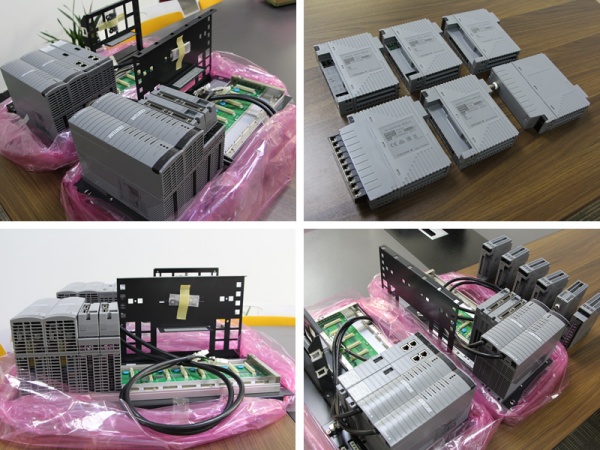
What Makes a Yokogawa DCS Important?
A Yokogawa DCS is designed to manage multiple control loops simultaneously. Instead of placing everything in a single central box, the system distributes intelligence across various stations. This makes your plant safer, easier to maintain, and far less likely to face unexpected downtime.
Here’s why many industries trust the Yokogawa Distributed Control System:
● It reduces risk because control is shared across many units
● It helps operators see plant data clearly
● It supports stable communication between all devices
● It allows quick control of logic changes when needed
Key Parts of a Yokogawa DCS System
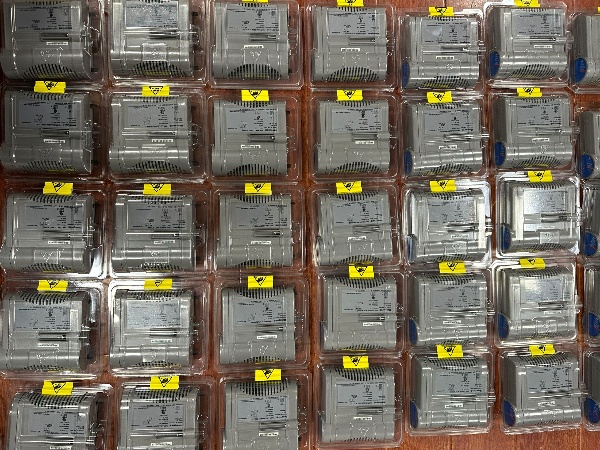
Understanding the Yokogawa DCS System Modules helps you see how the entire setup works. The main components include:
● Field Control Station (FCS): Handles real-time process control
● Power supply and controller: The “brain” of each station
● I/O modules: Connect field devices like transmitters and valves
● HIS (Human Interface Station): The operator screen for real-time monitoring
● Engineering station: Used for editing and updating control logic
These modules work together to keep your plant running smoothly. At HKXYTECH, we help you choose the correct set of modules based on your plant size and needs.
A Quick Look at the Yokogawa DCS Network Structure
One of the strongest parts of this system is the Yokogawa DCS network structure. It connects all stations through a high-speed communication network called Vnet/IP.
A simple view of the structure includes:
● Two subnets (bus 1 and bus 2) for better system reliability
● Layer-2 and layer-3 switches for smooth communication
● Fiber or UTP cables, depending on distance and setup
● Connections to safety systems like ProSafe-RS
This dual-bus design helps avoid downtime because if one side goes down, the other keeps the plant running safely.
We often guide customers on PLC-Chain.com to choose the best layout for their plant, especially when they want long-term reliability.
Why the Right Modules Matter
Choosing the right Yokogawa DCS System Modules makes your work easier every day. With the right I/O mix, your operators get accurate data, fast command execution, and stable control of pumps, valves, drives, and more.
A good setup also reduces wiring efforts and lowers maintenance work, which means your plant team works with less stress. When we help you plan your DCS requirements, we look at your field devices, process load, and expansion needs.
FAQs – Your Common Questions Answered
Q1. What makes the Yokogawa Distributed Control System reliable?
Its design is based on multiple controllers working together. Even if one part fails, other parts continue working safely.
Q2. How is the Yokogawa DCS network structure different?
It uses a dual-bus, high-speed Vnet/IP network that keeps communication stable and fast.
Q3. Can I use this system in small plants?
Yes, many small and medium plants use it efficiently by choosing fewer modules.
If you want help choosing a Yokogawa DCS setup for your plant, HKXYTECH is always here to support you with easy explanations and practical solutions.