













He pehea te whakarōpūtanga o nga PLC? He aha nga Ine Mahinga Matua?
He pehea te whakarōpūtanga o nga PLC? He aha nga Inenga Mahinga Matua?
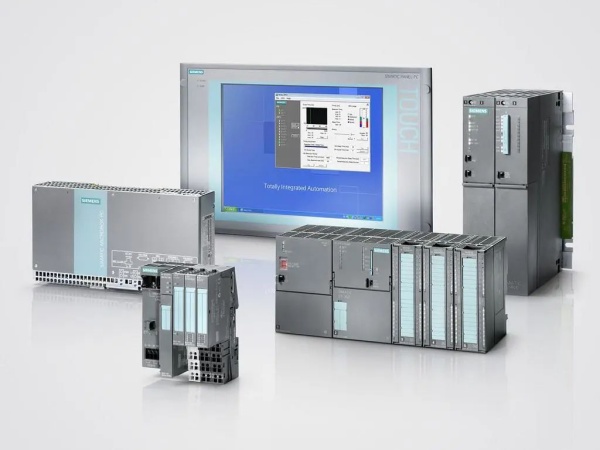
Ka taea te whakarōpūhia nga PLC i nga huarahi e whai ake nei:
Ma te Tito Hanganga:
PLC Integral (PLC Unitary ranei): Ko nga waahanga katoa, tae atu ki te hiko, te PTM, me nga hononga I/O, kua whakauruhia ki roto i te whare kotahi.
PLC Modular (PLC Huihui ranei): Ko nga waahanga penei i te waahanga hiko, te waahanga CPU, me te waahanga I/O he mea hanga takitahi. Ka taea te whakakotahi i enei i runga i te whatanga kua whakaritea, i te ara ranei i runga i nga whakaritenga tono motuhake hei hanga i te punaha PLC katoa.
Ma te Raukaha Ira I/O:
Nga PLC Kiato: He iti ake i te 256 nga tohu I/O, penei i te Siemens S7-200SMART PLC.
Nga PLC Waenga-Rahi: Whakamahia nga hanganga rereke me te nuinga o nga tohu I/O mai i te 256 ki te 1024, penei i te Siemens S7-300 PLC.
Nga PLC Nui: I te nuinga o te waa kei runga ake i nga tohu 1024 I / O, penei i te Siemens S7-400 PLC.
Ine Mahinga Matua o nga PLC:
Ahakoa he rereke nga ahuatanga o nga PLC mai i nga kaihanga rereke, he maha nga waahanga mahi noa:
Nga Tohu Whakauru/Putanga (I/O): Ko nga tohu I/O e tohu ana i te maha o nga tauranga o waho me nga tauranga whakaputa e hono ana ki te panui PLC. Ka nui ake nga tohu I/O, ka nui ake nga mana whakahaere a te PLC. Koinei tetahi o nga mea tino nui i te wa e whiriwhiri ana i te PLC.
Tere Matawai: Ko tenei inenga e tohu ana i te tere o te mahi a te PLC i tana kaupapa. I te nuinga o te waa ka inehia ki roto i nga manomano e hiahiatia ana hei whakatutuki i nga tohutohu 1K.
Te Raukaha Rokiroki: Ko te kaha rokiroki ka whakaatuhia i roto i nga kirowords (KW), kilobytes (KB), kilobits (Kbit) ranei, kei reira 1K = 1024. Ko etahi PLC e tuku ana i te rokiroki whakawhanui.
Tautuhi Tohutohu: Ko te huinga tohutohu e whakaatu ana i te kaha mahi o te rorohiko a te PLC. Ko te huinga tohutohu pai ake te tikanga he kaha ake te kaha ki te whakatakoto kaupapa.
Rēhita o roto (Relay): He maha nga rehita kei roto i nga PLC mo te penapena i nga taurangi, nga hua takawaenga, me nga raraunga. Ko te whirihoranga o enei rehita he tohu ano mo te mahi PLC.
Te Whakawhanaketanga Whakanuia: Ka whakaatu tenei i te pai o te PLC ki te whakauru i etahi atu waahanga mo nga mahi motuhake, penei i te A/D, D/A, te tatau tere-tere, i nga waahanga korero mamao ranei.
Whakatauritenga i waenga i nga PLC me nga Pūnaha Whakahaere Relay:
I mua i te taenga mai o nga PLC, ko nga ara iahiko hiko rei te huarahi tuatahi mo te whakahaere arorau me te raupapa. He maamaa, he utu utu engari he kore ngawari. Mai i te whakaurunga o nga PLC, tata ki nga ahuatanga katoa o a raatau mahi kua nui ake i era o nga punaha whakahaere relay.
Nga Whanaketanga o nga PLC:
Te neke ki te mahi teitei ake, te tukatuka tere, me te kaha ake.
Te whakarei ake i te whatunga me te kaha whakawhitiwhiti korero.
Ka iti ake, ka nui ake te utu, ka ngawari ake te whakamahi.
Te whakapai tonu i nga mahi rorohiko whakahōtaka.
Te whakawhanake i nga waahanga hou kua whakaritea mo nga tono PLC.
Te whakatairanga i te iti me te whanaketanga-a-rorohiko o nga PLC.